
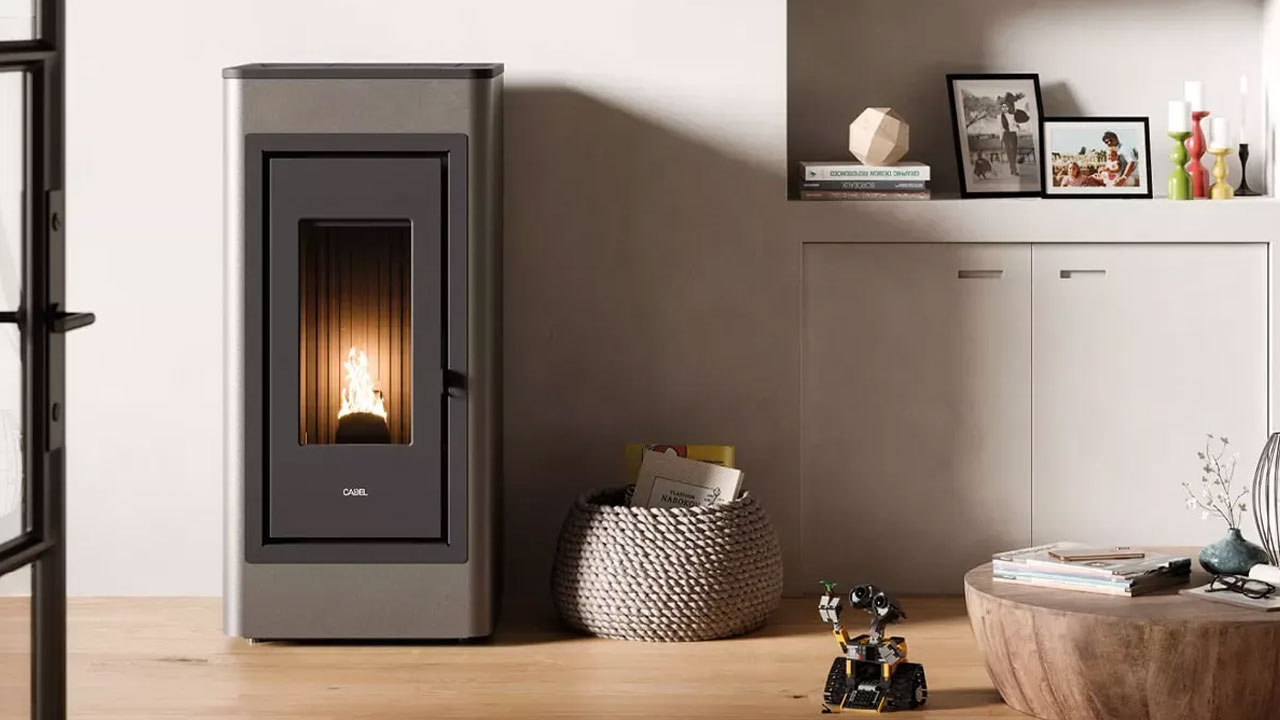
Pellet stoves are a popular heating solution in Portugal, especially for homeowners looking for a convenient and efficient system.
Unlike traditional wood stoves, pellet stoves offer automatic operation and precise temperature control. However, their installation involves specific technical requirements that differ from wood-based systems.
Understanding how pellet stove installation works helps homeowners choose the right setup and ensure safe, efficient performance.
In Portugal, pellet stove installation requires careful planning, particularly regarding ventilation, electricity and correct positioning.
Do You Need Permission to Install a Pellet Stove?
In most cases, installing a pellet stove inside a private home does not require complex licensing.
However, certain situations may involve additional considerations:
• installation in apartments
• shared buildings or condominiums
• external flue installations
• modifications to building structure
It is always advisable to check local regulations or consult a professional installer before proceeding.
Key Installation Requirements
Pellet stoves require a combination of ventilation and electrical connections.
Main requirements include:
• connection to a flue or exhaust system
• electrical supply
• appropriate positioning within the room
• safe distances from walls and furniture
Unlike wood stoves, pellet stoves rely on powered components to operate.
Ventilation and Flue Systems
Pellet stoves need to expel combustion gases safely.
They typically use a flue system, which may be:
• connected to an existing chimney
• installed as a new external flue
• a short horizontal outlet (in some cases)
Although pellet stoves do not rely on natural draft in the same way as wood stoves, proper flue installation is still essential for safe operation.
Types of Flue Systems
| Flue Type | Advantages | Best Use |
|---|---|---|
| Vertical flue 🔝 | Best performance and safety | Most installations |
| External wall flue 🧱 | Easier installation | Apartments and renovations |
| Existing chimney connection 🔧 | Uses existing structure | Houses with chimneys |
Vertical flues are generally recommended for optimal performance.
Electrical Requirements
Pellet stoves require electricity to operate.
Electrical components include:
• ignition system
• pellet feeding mechanism
• fans and ventilation
• control panel
For this reason, pellet stoves will not operate during power outages unless supported by backup systems.
Where to Install a Pellet Stove
Pellet stoves are typically installed in the main living area.
Important placement considerations include:
• central location for heat distribution
• proximity to an external wall or chimney
• access to electrical connection
• safe distances from combustible materials
Proper positioning improves both efficiency and comfort.
Installation Process
Installing a pellet stove involves several steps.
• selecting the correct stove size
• planning flue route
• installing ventilation system
• connecting electrical supply
• testing operation
Professional installation ensures that all components are correctly integrated.
Typical Installation Costs
The cost of installing a pellet stove varies depending on the setup.
| Installation Element | Typical Cost Range | Notes |
|---|---|---|
| Pellet stove ⚙️ | €1200 – €4000+ | Depends on size and features |
| Flue system 🏗️ | €300 – €1200+ | Varies by length and materials |
| Installation labour 👷 | €200 – €800 | Depends on complexity |
More complex installations may increase overall cost.
Safety Considerations
Pellet stove installation must meet safety standards.
Important aspects include:
• proper ventilation
• safe flue installation
• correct electrical connections
• adequate clearance from materials
Professional installation is highly recommended to ensure safety, correct operation, compliance with standards and to maintain the validity of the manufacturer’s warranty.
Do Expats Install Pellet Stoves?
Yes. Pellet stoves are particularly popular among expats living in Portugal.
They are often chosen because:
• they are easy to use
• they provide consistent heating
• they require less manual work than wood stoves
For many homeowners, they offer a balance between comfort and efficiency.
Frequently Asked Questions
Do pellet stoves need a chimney?
Pellet stoves require a flue system, but it may differ from traditional chimney systems used by wood stoves.
Do pellet stoves need electricity?
Yes. Pellet stoves rely on electricity to operate.
Can pellet stoves be installed in apartments?
Yes, but installation must follow building regulations and safety requirements.
Is professional installation necessary?
Yes. Professional installation ensures safe and efficient operation.
🔗 Related Guides
If you want to explore the different heating systems used in Portuguese homes in more detail, these guides explain how each solution works and when it is most suitable.
Heating a House in Portugal
(overview of heating solutions for Portuguese homes)
Wood Heating
(wood stoves and fireplace inserts for powerful natural heat)
Pellet Heating
(automatic heating systems using compressed wood pellets)
Wood Cook Stoves
(traditional appliances that combine cooking and home heating)
Outdoor Fire
(fire pits, outdoor fireplaces and cooking systems for terraces and gardens)
🔗 Where to Find Heating Solutions in Portugal
Many of the heating systems discussed in this article are available from Smartfire, specialists in wood heating, pellet stoves and outdoor fire solutions.
Based in Portugal, Smartfire has helped thousands of homeowners choose the right heating systems for their homes, offering carefully selected products designed for reliability, efficiency and long-term performance.
The Smartfire team also provides support in English and works with installation partners across several regions of Portugal, including the Algarve.