
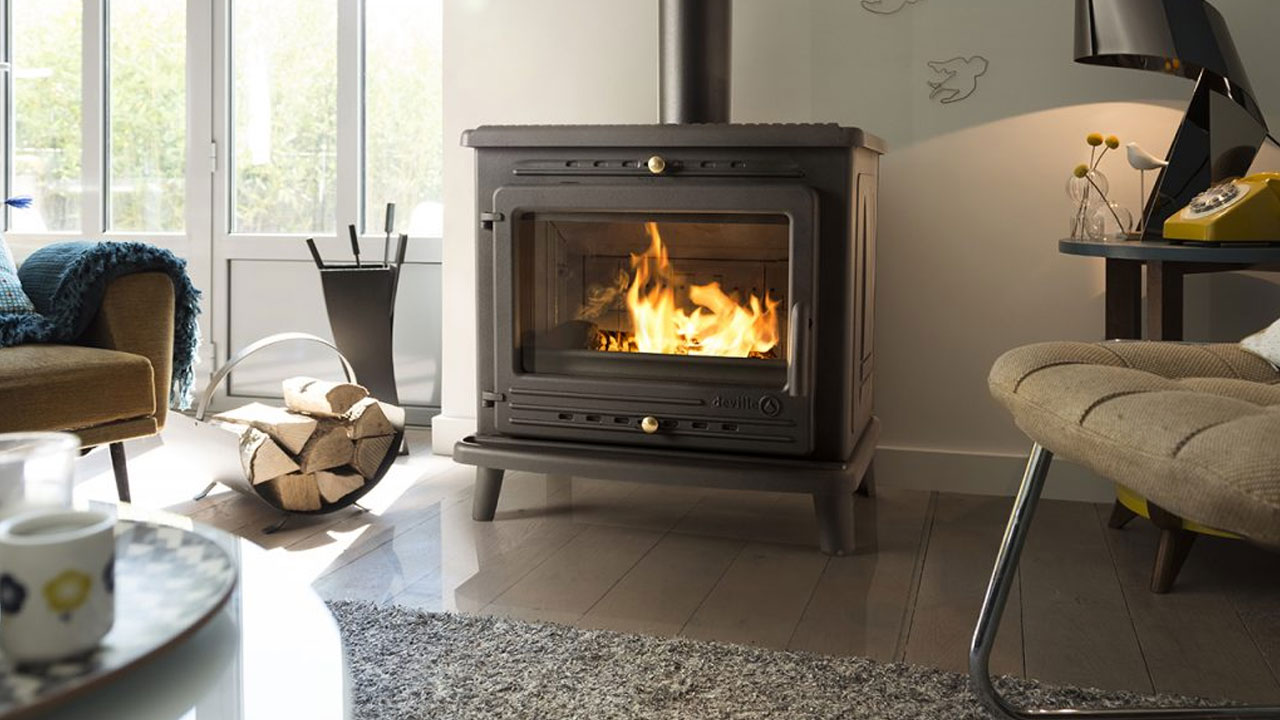
Choosing the right wood stove size is one of the most important decisions when planning heating for a house in Portugal.
A stove that is too small may struggle to heat the space properly, especially in older or poorly insulated homes. A stove that is too powerful can overheat the room, waste fuel and make the appliance harder to use comfortably.
Understanding stove sizing helps homeowners choose a system that provides efficient, steady and comfortable heat.
In Portugal, the right wood stove size depends not only on room dimensions, but also on insulation, layout, ceiling height and how the house is used in winter.
Why Wood Stove Size Matters
Wood stoves are designed to produce a certain amount of heat, usually measured in kilowatts.
Choosing the correct power output is important because it affects:
• comfort
• fuel consumption
• heating efficiency
• ease of use
• long-term performance
A correctly sized stove should be powerful enough to heat the intended area without constantly operating at maximum output.
What Is Stove Power?
Wood stove power is usually expressed in kW.
This indicates how much heat the stove can produce under normal operating conditions.
In simple terms:
• lower kW stoves suit smaller spaces
• medium kW stoves suit typical living rooms
• higher kW stoves suit larger or poorly insulated areas
However, kW alone does not tell the full story. The type of house matters just as much.
Basic Stove Sizing Guide
As a general reference, homeowners can use room size as a starting point.
| Space Type | Typical Stove Power | Best Use |
|---|---|---|
| Small room 🏠 | 4–6 kW | Small living rooms or compact homes |
| Medium living area 🏡 | 6–9 kW | Most typical living rooms |
| Large open-plan space 🌄 | 9–12 kW | Large rooms or rural houses |
| Very large or poorly insulated space 🔥 | 12 kW+ | Large volumes and high heat loss |
This is only a guide. A proper recommendation should consider the full characteristics of the property.
Why Portuguese Homes Need Careful Sizing
Many houses in Portugal have features that affect heating performance.
These may include:
• tiled floors
• high ceilings
• thick stone or masonry walls
• limited insulation
• single-glazed windows
• large open-plan areas
These elements can increase heat loss or make the space slower to warm up.
For this reason, two rooms with the same size may need different stove power depending on construction quality.
Insulation and Heat Loss
Insulation has a major impact on stove sizing.
A well-insulated home retains heat more effectively, so it may need a smaller stove.
A poorly insulated house may require more heat output to maintain comfort.
Important factors include:
• roof insulation
• window quality
• wall construction
• door sealing
• drafts and ventilation
In older Portuguese homes, heat loss can be significant, especially during colder nights.
Room Layout and Heat Distribution
The layout of the house also affects stove sizing.
A stove installed in an open-plan living area can distribute heat more easily than one installed in a closed room.
Heat moves better through:
• open spaces
• wide doorways
• connected living areas
• central locations
In houses with long corridors or many separate rooms, a larger stove does not always solve the problem. Heat distribution may still be limited.
Ceiling Height and Room Volume
Room volume is often more important than floor area.
A room with high ceilings contains more air to heat than a room with standard ceiling height.
This is common in:
• old houses
• rural properties
• renovated barns
• villas with large living rooms
In these spaces, stove sizing should consider cubic volume, not only square metres.
Can a Stove Be Too Powerful?
Yes. Choosing a stove that is too large can create problems.
An oversized stove may:
• overheat the room
• waste firewood
• run inefficiently at low output
• produce more soot when underused
• make temperature control difficult
Many people assume that a bigger stove is always better, but this is not true.
The best stove is the one that matches the real heating needs of the space.
Can a Stove Be Too Small?
A stove that is too small can also cause problems.
It may:
• struggle to heat the room
• require constant refuelling
• operate at maximum output too often
• increase fuel consumption
• fail to provide comfort in cold periods
Undersizing is particularly common when homeowners do not account for poor insulation or high ceilings.
Wood Stove Size for Old Houses
Old houses in Portugal often need careful assessment before choosing a stove.
These homes may have:
• thick walls that absorb heat slowly
• cold floors
• drafty windows
• larger heat loss
In these cases, a slightly more powerful stove may be needed, but it should still be chosen carefully to avoid overheating the main room.
Wood Stove Size for Modern Homes
Modern or renovated homes with better insulation may need less stove power.
In these homes, a smaller stove can often provide excellent comfort because the heat is retained more effectively.
This is why professional sizing is important. A stove suitable for an old rural house may be too powerful for a modern insulated home.
What Expats Should Know
Many expats are used to central heating systems that warm the whole house evenly.
Wood stoves usually work differently in Portugal. They are often used to heat the main living area, with warmth spreading gradually to nearby spaces.
When choosing stove size, homeowners should consider:
• which room will be heated
• how often the stove will be used
• whether the house is occupied full-time
• how well the house retains heat
This helps avoid choosing a stove based only on total house size.
Frequently Asked Questions
What size wood stove do I need?
The right size depends on room size, insulation, ceiling height and layout. Many living rooms use stoves between 6 kW and 9 kW.
Is a bigger wood stove better?
Not always. An oversized stove can overheat the room and operate inefficiently.
Can one wood stove heat a whole house?
In small or open-plan homes, it may help heat several areas. In larger homes, it usually heats the main living space.
Do old houses need bigger stoves?
Sometimes. Older homes often lose more heat, but stove size should still be chosen carefully to avoid overheating.
🔗 Related Guides
If you want to explore the different heating systems used in Portuguese homes in more detail, these guides explain how each solution works and when it is most suitable.
Heating a House in Portugal
(overview of heating solutions for Portuguese homes)
Wood Heating
(wood stoves and fireplace inserts for powerful natural heat)
Pellet Heating
(automatic heating systems using compressed wood pellets)
Wood Cook Stoves
(traditional appliances that combine cooking and home heating)
Outdoor Fire
(fire pits, outdoor fireplaces and cooking systems for terraces and gardens)
🔗 Where to Find Heating Solutions in Portugal
Many of the heating systems discussed in this article are available from Smartfire, specialists in wood heating, pellet stoves and outdoor fire solutions.
Based in Portugal, Smartfire has helped thousands of homeowners choose the right heating systems for their homes, offering carefully selected products designed for reliability, efficiency and long-term performance.
The Smartfire team also provides support in English and works with installation partners across several regions of Portugal, including the Algarve.