
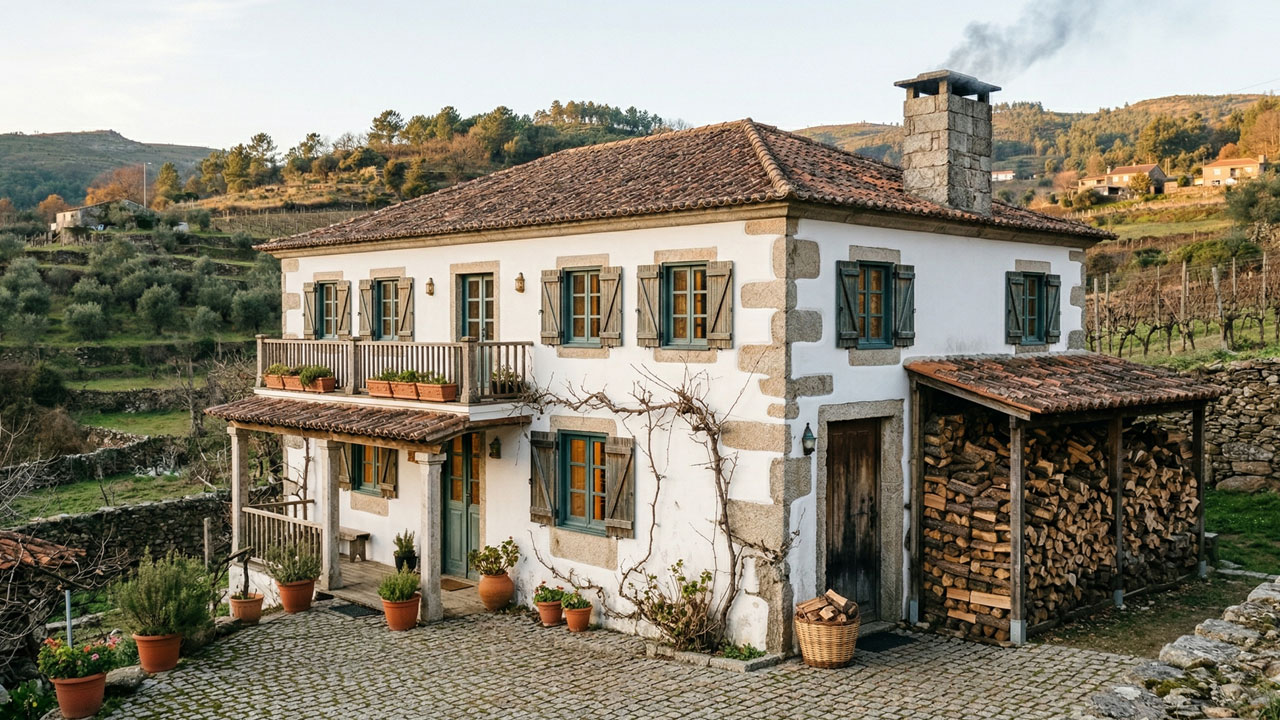
Rural houses in Portugal offer space, privacy and a strong connection to nature. However, they also present specific challenges when it comes to heating.
Many of these properties are older, built with traditional materials and located in areas with colder winter nights. Without proper heating, they can feel uncomfortable during the colder months.
Understanding how rural houses behave in winter helps homeowners choose the most effective heating solutions.
In rural Portugal, heating is not just about comfort — it is essential for making homes usable throughout the winter months.
Why Rural Houses Are Harder to Heat
Rural homes often differ significantly from modern properties in terms of construction and thermal performance.
Common characteristics include:
• thick stone or masonry walls
• limited insulation
• high ceilings
• large interior volumes
• older windows and doors
While these features help keep houses cool in summer, they can make it harder to retain heat during winter.
Typical Heating Challenges
Heating a rural house in Portugal involves overcoming several practical challenges.
• heat loss through walls and roofs
• slow warming of large spaces
• difficulty heating multiple rooms
• limited existing infrastructure
• remote location and fuel logistics
Because of these factors, heating systems need to be both powerful and reliable.
Best Heating Systems for Rural Houses
Different heating systems can be suitable depending on the house layout and usage.
| System | Suitability | Key Advantage |
|---|---|---|
| Wood stove 🔥 | Excellent | High heat output, no electricity required |
| Fireplace insert 🪵 | Excellent | Efficient upgrade for existing fireplaces |
| Pellet stove ⚙️ | Good | Automation and consistent heating |
| Wood cook stove 🍳 | Very good | Heating and cooking combined |
In many rural homes, wood-based systems are preferred due to their independence from electricity and strong heating performance.
Heating Strategy for Rural Homes
Instead of trying to heat the entire house, most homeowners focus on key living areas.
Typical approach:
• heat the main living room
• use secondary heating for bedrooms
• close unused rooms
• maintain heat in occupied spaces
This strategy is both practical and energy-efficient.
Wood Heating in Rural Portugal
Wood heating remains one of the most common solutions in rural areas.
Reasons include:
• availability of firewood
• independence from electricity
• strong heat output
• suitability for large spaces
In some cases, homeowners have direct access to firewood, which can significantly reduce heating costs.
Pellet Heating in Rural Homes
Pellet stoves can also be used in rural houses, although there are some considerations.
• require electricity
• need pellet supply planning
• easier to control temperature
• less manual work than wood
For homeowners who prioritise convenience, pellet heating can be a good option, especially if supply logistics are well managed.
Importance of Insulation
Improving insulation can dramatically reduce heating needs in rural houses.
Key areas to consider:
• roof insulation
• window upgrades
• door sealing
• floor insulation
Even small improvements can make a noticeable difference in comfort and efficiency.
Do Rural Homes Need More Powerful Heating?
Yes. Rural houses often require higher heat output due to:
• larger volumes
• higher heat loss
• slower heat retention
Choosing a correctly sized heating appliance is essential to ensure effective performance.
What Expats Should Know
Many expats are surprised by how different rural houses feel during winter.
Common adjustments include:
• installing a primary heating system
• learning how to manage wood heating
• adapting daily routines around heating
Once properly equipped, rural homes can become very comfortable, even during colder months.
Frequently Asked Questions
Are rural houses in Portugal cold in winter?
Yes. Many rural houses can feel cold without heating due to low insulation and large interior spaces.
What is the best heating system for a rural house?
Wood stoves and fireplace inserts are often the most effective due to their high heat output and independence from electricity.
Can pellet stoves be used in rural homes?
Yes, but they require electricity and careful planning of pellet supply.
Is insulation important in rural houses?
Yes. Improving insulation significantly reduces heat loss and improves comfort.
🔗 Related Guides
If you want to explore the different heating systems used in Portuguese homes in more detail, these guides explain how each solution works and when it is most suitable.
Heating a House in Portugal
(overview of heating solutions for Portuguese homes)
Wood Heating
(wood stoves and fireplace inserts for powerful natural heat)
Pellet Heating
(automatic heating systems using compressed wood pellets)
Wood Cook Stoves
(traditional appliances that combine cooking and home heating)
Outdoor Fire
(fire pits, outdoor fireplaces and cooking systems for terraces and gardens)
🔗 Where to Find Heating Solutions in Portugal
Many of the heating systems discussed in this article are available from Smartfire, specialists in wood heating, pellet stoves and outdoor fire solutions.
Based in Portugal, Smartfire has helped thousands of homeowners choose the right heating systems for their homes, offering carefully selected products designed for reliability, efficiency and long-term performance.
The Smartfire team also provides support in English and works with installation partners across several regions of Portugal, including the Algarve.