
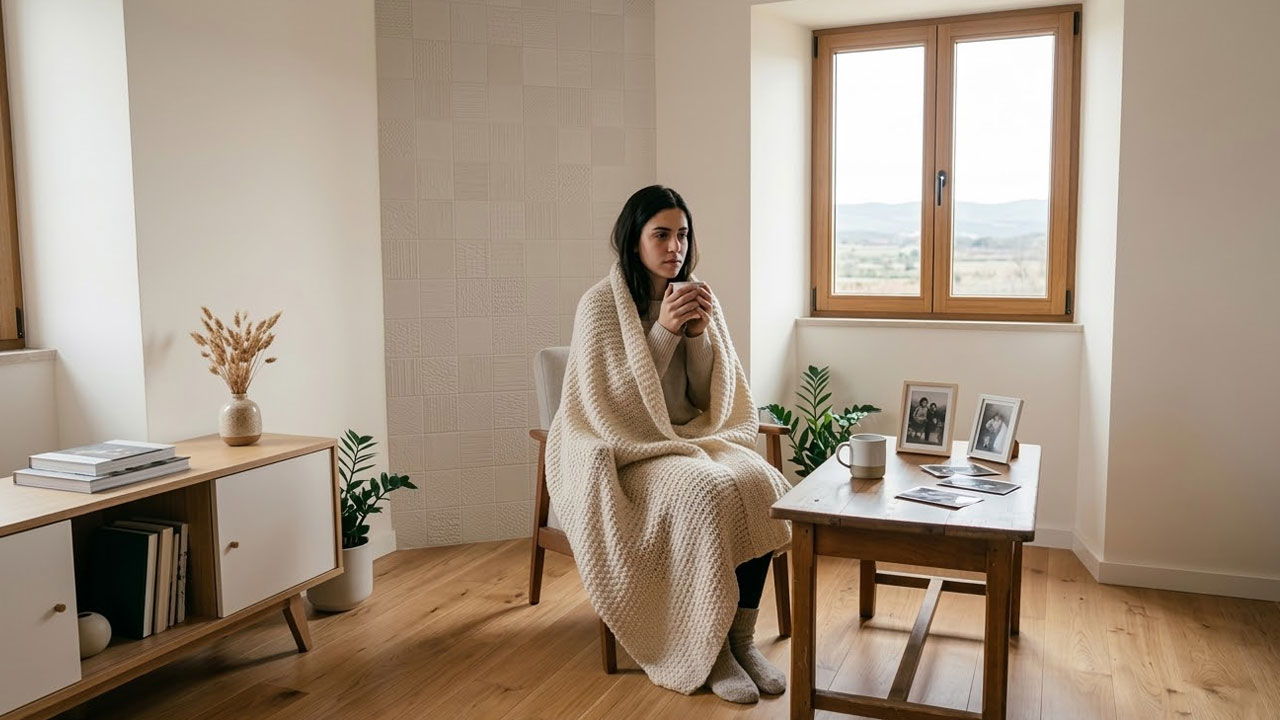
Many people who move to Portugal are surprised to discover that homes can feel colder indoors during winter than they expected. While Portugal enjoys a relatively mild climate compared to northern Europe, indoor temperatures can sometimes feel uncomfortable during colder months.
This often happens because many houses in Portugal were not originally designed with strong heating systems in mind. Instead, traditional construction methods focused primarily on keeping homes cool during the hot summer months.
Understanding why houses can feel cold in winter helps homeowners choose the right heating solutions and improve comfort inside their homes.
Traditional House Design in Portugal
Traditional Portuguese homes were built to cope with long hot summers rather than cold winters. Thick stone walls, tiled floors and minimal insulation help keep houses cool when outdoor temperatures rise.
However, these same features can make houses retain cold temperatures during winter. Materials such as stone, concrete and ceramic tiles absorb and store cold air, which can make indoor spaces feel chilly even when the outside temperature is not extremely low.
In many older homes, windows and insulation were also designed with ventilation in mind rather than heat retention. As a result, houses may lose heat quickly once temperatures begin to drop.
Lack of Central Heating Systems
Another reason many homes feel cold in winter is that traditional Portuguese houses were not equipped with central heating systems.
In countries with colder climates, central heating systems such as radiators or underfloor heating are common in most homes. In Portugal, however, these systems were historically less common because winters are shorter and milder.
Instead of heating the entire house, many homeowners relied on localized heat sources such as fireplaces, wood stoves or portable heaters to warm specific rooms.
Today, many renovated homes and newly built houses include modern heating systems that significantly improve indoor comfort.
Insulation and Building Standards
Insulation levels in older Portuguese houses can also be lower than in many northern European homes. Poor insulation allows heat to escape quickly during winter, making it more difficult to maintain comfortable indoor temperatures.
In recent years, building standards in Portugal have improved significantly, and modern houses now include better insulation and energy-efficient heating solutions.
However, many older homes still require improvements such as better insulation, new windows or modern heating appliances to achieve optimal comfort during winter.
How Homes in Portugal Are Typically Heated
Because central heating systems are not always present, many Portuguese homes rely on individual heating appliances to warm the main living areas.
Common heating solutions include:
• Wood stoves
• Fireplace inserts
• Pellet stoves
• Heat pumps
• Electric heating
Among these options, wood and pellet heating systems are particularly popular because they provide strong heat output and are well suited to the layout of many Portuguese homes.
Improving Comfort in Portuguese Homes
Even in houses that were not originally designed with heating in mind, several improvements can significantly increase indoor comfort.
Installing an efficient heating appliance in the main living area is often the most effective solution. Wood stoves, pellet stoves and fireplace inserts can provide strong and reliable heat for everyday living spaces.
Improving insulation, sealing windows and optimizing airflow inside the house can also help maintain warmth during colder months.
With the right combination of heating systems and building improvements, many Portuguese homes can become significantly more comfortable throughout the winter.
Frequently Asked Questions
Are Portuguese houses really cold in winter?
Some homes can feel cold during winter, particularly older properties with limited insulation. Installing an efficient heating system can significantly improve indoor comfort.
Do homes in Portugal have central heating?
Many older homes do not include central heating systems. Instead, homeowners often rely on wood stoves, pellet stoves or other localized heating solutions.
What is the best heating system for houses in Portugal?
The best system depends on the house layout and heating needs. Wood stoves, pellet stoves and fireplace inserts are among the most effective solutions used in many Portuguese homes.
Is heating expensive in Portugal?
Heating costs vary depending on the system used. Wood heating is often one of the most economical options, while electric heating can become expensive for larger spaces.
🔗 Related Guides
If you want to explore the different heating systems used in Portuguese homes in more detail, these guides explain how each solution works and when it is most suitable.
Heating a House in Portugal
(overview of heating solutions for Portuguese homes)
Wood Heating
(wood stoves and fireplace inserts for powerful natural heat)
Pellet Heating
(automatic heating systems using compressed wood pellets)
Wood Cook Stoves
(traditional appliances that combine cooking and home heating)
Outdoor Fire
(fire pits, outdoor fireplaces and cooking systems for terraces and gardens)
🔗 Where to Find Heating Solutions in Portugal
Many of the heating systems discussed in this article are available from Smartfire, specialists in wood heating, pellet stoves and outdoor fire solutions.
Based in Portugal, Smartfire has helped thousands of homeowners choose the right heating systems for their homes, offering carefully selected products designed for reliability, efficiency and long-term performance.
The Smartfire team also provides support in English and works with installation partners across several regions of Portugal, including the Algarve.