
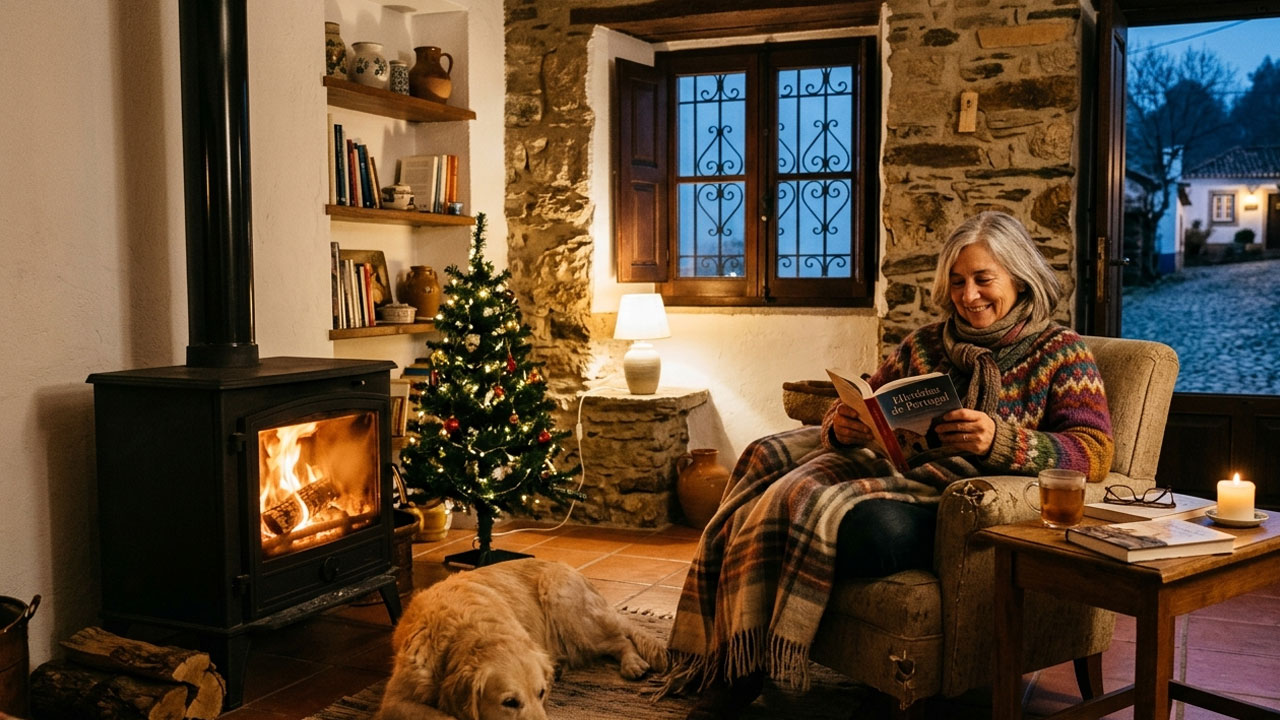
Many expats who move to Portugal come from countries with much colder winters. People from the UK, Ireland, Germany, the Netherlands, Scandinavia or North America are often used to freezing temperatures, snow and long winter seasons.
Because of this, it can be surprising when Portugal feels cold indoors, even though the outdoor climate is much milder.
The reason is simple: winter comfort depends not only on outdoor temperatures, but also on how homes are built, heated and ventilated.
Many expats feel colder in Portugal not because Portuguese winters are extreme, but because many homes are not designed to stay warm indoors.
Why Portugal Feels Colder Than Expected
Portugal has a mild climate compared with northern Europe, but that does not mean homes always feel warm.
Many houses were designed mainly for summer comfort. Thick walls, tiled floors, shutters and natural ventilation help keep interiors cooler during hot months. In winter, however, these same features can make homes feel cold.
Common reasons include:
• limited insulation
• tiled or stone floors
• single-glazed windows
• no central heating
• high indoor humidity
• cold walls and surfaces
This creates a very different experience from living in a colder country where homes are usually built to retain heat.
Outdoor Cold vs Indoor Cold
Expats from colder countries are often used to very low outdoor temperatures, but they are also used to warm indoor spaces.
In many northern European homes, winter usually means:
• central heating
• double or triple glazing
• insulation
• heated bedrooms
• stable indoor temperatures
In Portugal, the outdoor winter temperature may be much milder, but the indoor temperature can feel surprisingly low if the house has little insulation or no heating system.
| Country Type | Typical Winter Experience | Indoor Comfort |
|---|---|---|
| Cold northern countries ❄️ | Very cold outside | Homes usually well heated |
| Portugal 🌤️ | Mild to cool outside | Homes may feel cold indoors |
This contrast is one of the main reasons expats feel caught off guard during their first winter.
The Role of Insulation
Insulation is one of the biggest differences between homes in Portugal and homes in colder countries. Many Portuguese houses, especially older properties, were not built with strong insulation standards.
Heat can escape through:
• roofs
• walls
• windows
• doors
• floors
When heat escapes quickly, even a mild winter evening can make the house feel uncomfortable. This is why a home in Portugal can feel colder indoors than a home in a country with snow outside.
Why Humidity Makes Cold Feel Worse
Humidity plays a major role in winter comfort. Portugal, especially coastal areas, can experience damp indoor conditions during winter. When air and surfaces are humid, the house can feel colder than the actual temperature suggests.
High humidity can contribute to:
• cold-feeling rooms
• condensation on windows
• damp walls
• mould risk
• uncomfortable indoor air
Heating helps improve comfort, but in some homes humidity management is also important.
Lack of Central Heating
Many expats are used to central heating systems that warm the whole home evenly. In Portugal, many homes do not have central heating. Instead, heating is often provided by individual appliances.
Common systems include:
• wood stoves
• pellet stoves
• fireplace inserts
• air conditioning with heating mode
• portable electric heaters
This means only certain areas of the house may be heated, usually the living room or main social space.
Why the Living Room Is Often the Warmest Room
In many Portuguese homes, heating is focused on the living area.
This is practical because:
• people spend most winter evenings there
• heating the whole house may be unnecessary
• many homes are not designed for full-house heating
• energy costs are easier to control
For expats, this can feel different from what they are used to. Bedrooms, hallways and bathrooms may remain cooler than expected.
Common First-Winter Surprises for Expats
Many international homeowners only understand the issue after living through their first winter in Portugal.
Common surprises include:
• needing heating more often than expected
• feeling colder indoors than outdoors
• high electricity bills from portable heaters
• dampness or condensation
• cold bedrooms in the morning
These experiences often lead homeowners to install more permanent heating solutions.
Best Heating Solutions for Expats
The best heating system depends on the type of home and how it is used.
| Heating System | Best For | Main Benefit |
|---|---|---|
| Wood stove 🔥 | Older homes and rural houses | Strong natural heat |
| Pellet stove ⚙️ | Daily heating with convenience | Automatic operation |
| Fireplace insert 🏡 | Homes with open fireplaces | Improves existing fireplace efficiency |
| Air conditioning / heat pump ❄️➡️🔥 | Modern homes and apartments | Heating and cooling in one system |
For many expats, the right solution is not one single appliance but a combination of heating, insulation improvements and humidity control.
Small Improvements That Help
Not every improvement requires a major renovation.
Simple changes can make a home feel warmer:
• sealing drafts around windows and doors
• using thick curtains
• adding rugs to tiled floors
• ventilating correctly
• using a dehumidifier when needed
• heating the main living area consistently
These measures do not replace a proper heating system, but they can improve comfort.
What Expats Should Expect
Portugal is not cold in the same way as northern Europe, but homes can still feel uncomfortable in winter. The key difference is that many Portuguese homes were designed for a mild climate and summer comfort, not for constant winter heating.
Expats should expect:
• cooler indoor temperatures
• heating focused on main rooms
• more attention to humidity
• possible upgrades after the first winter
Once the right heating strategy is in place, homes in Portugal can be very comfortable throughout the colder months.
Frequently Asked Questions
Why do expats feel cold in Portugal?
Many expats feel cold because Portuguese homes often have limited insulation, high humidity and no central heating, even though outdoor temperatures are relatively mild.
Are Portuguese winters cold?
Portuguese winters are generally mild compared with northern Europe, but indoor temperatures can still feel cold without proper heating.
Why are houses colder inside than expected?
Many homes lose heat quickly through walls, windows, roofs and floors, especially older or poorly insulated properties.
What is the best heating solution for expats?
Wood stoves, pellet stoves, fireplace inserts and air conditioning with heating mode can all work well, depending on the property and lifestyle.
🔗 Related Guides
If you want to explore the different heating systems used in Portuguese homes in more detail, these guides explain how each solution works and when it is most suitable.
Heating a House in Portugal
(overview of heating solutions for Portuguese homes)
Wood Heating
(wood stoves and fireplace inserts for powerful natural heat)
Pellet Heating
(automatic heating systems using compressed wood pellets)
Wood Cook Stoves
(traditional appliances that combine cooking and home heating)
Outdoor Fire
(fire pits, outdoor fireplaces and cooking systems for terraces and gardens)
🔗 Where to Find Heating Solutions in Portugal
Many of the heating systems discussed in this article are available from Smartfire, specialists in wood heating, pellet stoves and outdoor fire solutions.
Based in Portugal, Smartfire has helped thousands of homeowners choose the right heating systems for their homes, offering carefully selected products designed for reliability, efficiency and long-term performance.
The Smartfire team also provides support in English and works with installation partners across several regions of Portugal, including the Algarve.