
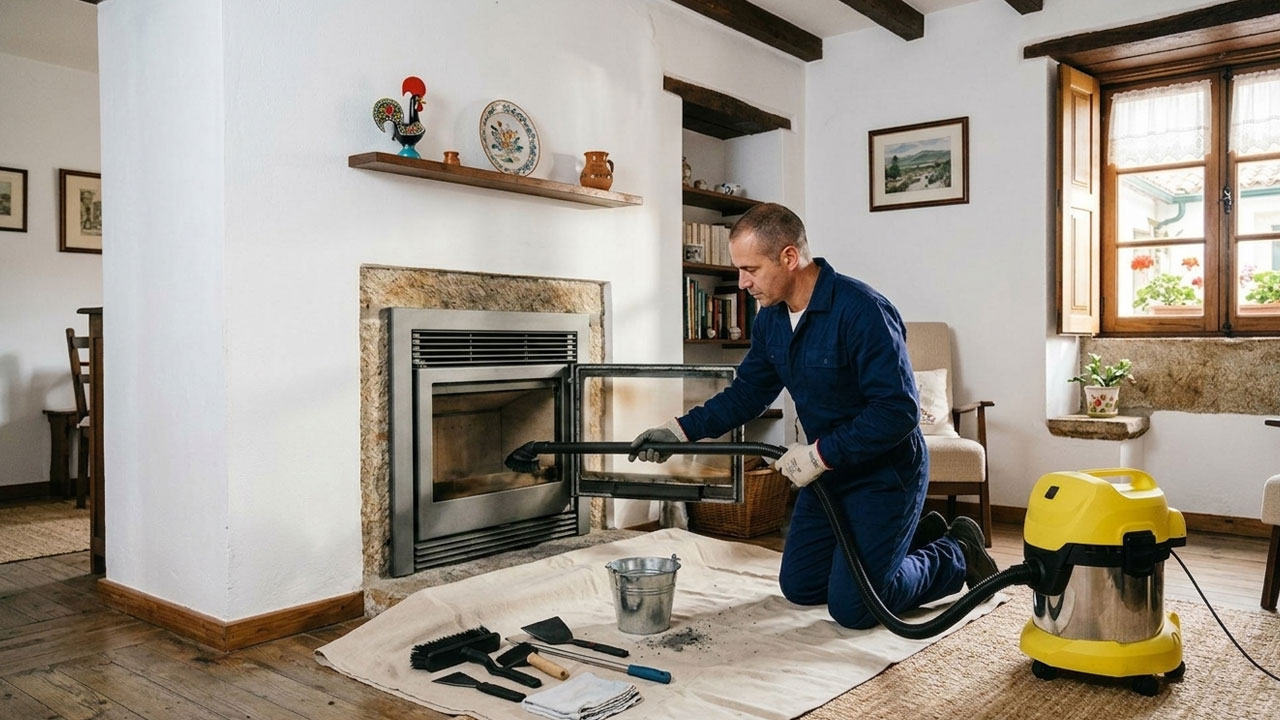
Wood stoves are widely used across Portugal and are known for their reliability and strong heating performance. However, like any heating system, they require regular maintenance to operate safely and efficiently.
Proper maintenance not only improves performance but also extends the lifespan of the stove and reduces the risk of problems such as smoke issues or chimney buildup.
In Portugal, regular wood stove maintenance is essential to ensure safe operation, efficient heating and long-term reliability.
Why Wood Stove Maintenance Matters
Maintaining a wood stove is not just about cleanliness — it directly affects how well the system performs.
Regular maintenance helps:
• improve combustion efficiency
• reduce smoke and emissions
• prevent soot and creosote buildup
• extend appliance lifespan
• maintain safety
Neglecting maintenance can lead to reduced performance and increased risks.
Daily and Weekly Maintenance
Basic maintenance tasks can be done regularly by the homeowner.
Typical routine includes:
• removing ash from the combustion chamber
• cleaning the glass if needed
• checking airflow controls
• ensuring proper firewood use
Keeping the stove clean helps maintain efficient combustion and clear visibility of the fire.
Monthly and Seasonal Maintenance
In addition to regular cleaning, more thorough checks should be done periodically.
• inspecting internal components
• checking door seals
• cleaning air inlets
• verifying proper operation
Before the heating season begins, a full inspection is recommended.
Chimney Cleaning
The chimney is one of the most important parts of the system when it comes to maintenance.
Over time, soot and creosote accumulate inside the flue.
This can:
• reduce draft efficiency
• increase fire risk
• affect stove performance
Chimney cleaning is typically recommended at least once per year.
Signs That Maintenance Is Needed
Certain signs indicate that a wood stove may need attention.
• smoke entering the room
• difficulty lighting the fire
• reduced heat output
• excessive soot on glass
• unusual smells
Addressing these issues early can prevent more serious problems.
Using the Right Firewood
Firewood quality plays a major role in maintenance.
Using dry, well-seasoned wood helps:
• reduce soot buildup
• improve combustion
• keep the chimney cleaner
Wet or poor-quality wood increases maintenance needs and reduces efficiency.
Maintenance Tasks Overview
| Task | Frequency | Purpose |
|---|---|---|
| Ash removal 🧹 | Weekly | Maintain airflow |
| Glass cleaning 🪟 | As needed | Visibility and efficiency |
| Seal inspection 🔍 | Monthly | Prevent air leaks |
| Chimney cleaning 🧯 | Yearly | Safety and performance |
Professional Maintenance
While basic tasks can be done by the homeowner, professional maintenance is also important.
A qualified technician can:
• inspect the chimney system
• check internal components
• ensure safe operation
• identify potential issues early
Professional servicing is usually recommended once per year.
Safety Considerations
Maintenance is closely linked to safety.
Key safety practices include:
• installing carbon monoxide detectors
• ensuring proper ventilation
• avoiding overloading the stove
• using appropriate fuel
Proper maintenance reduces risks and ensures safe use.
Do Expats Maintain Wood Stoves Differently?
For many expats, wood stove maintenance is a new responsibility.
Common adjustments include:
• learning proper cleaning routines
• understanding firewood quality
• scheduling regular inspections
Once familiar with the process, maintenance becomes simple and routine.
Frequently Asked Questions
How often should a wood stove be cleaned?
Basic cleaning should be done regularly, while chimney cleaning is typically done once a year.
What happens if you don’t clean the chimney?
Soot buildup can reduce efficiency and increase the risk of chimney fires.
Can I maintain a wood stove myself?
Basic maintenance can be done by homeowners, but professional inspection is recommended.
Does firewood affect maintenance?
Yes. Using dry, high-quality firewood reduces soot and improves performance.
🔗 Related Guides
If you want to explore the different heating systems used in Portuguese homes in more detail, these guides explain how each solution works and when it is most suitable.
Heating a House in Portugal
(overview of heating solutions for Portuguese homes)
Wood Heating
(wood stoves and fireplace inserts for powerful natural heat)
Pellet Heating
(automatic heating systems using compressed wood pellets)
Wood Cook Stoves
(traditional appliances that combine cooking and home heating)
Outdoor Fire
(fire pits, outdoor fireplaces and cooking systems for terraces and gardens)
🔗 Where to Find Heating Solutions in Portugal
Many of the heating systems discussed in this article are available from Smartfire, specialists in wood heating, pellet stoves and outdoor fire solutions.
Based in Portugal, Smartfire has helped thousands of homeowners choose the right heating systems for their homes, offering carefully selected products designed for reliability, efficiency and long-term performance.
The Smartfire team also provides support in English and works with installation partners across several regions of Portugal, including the Algarve.